
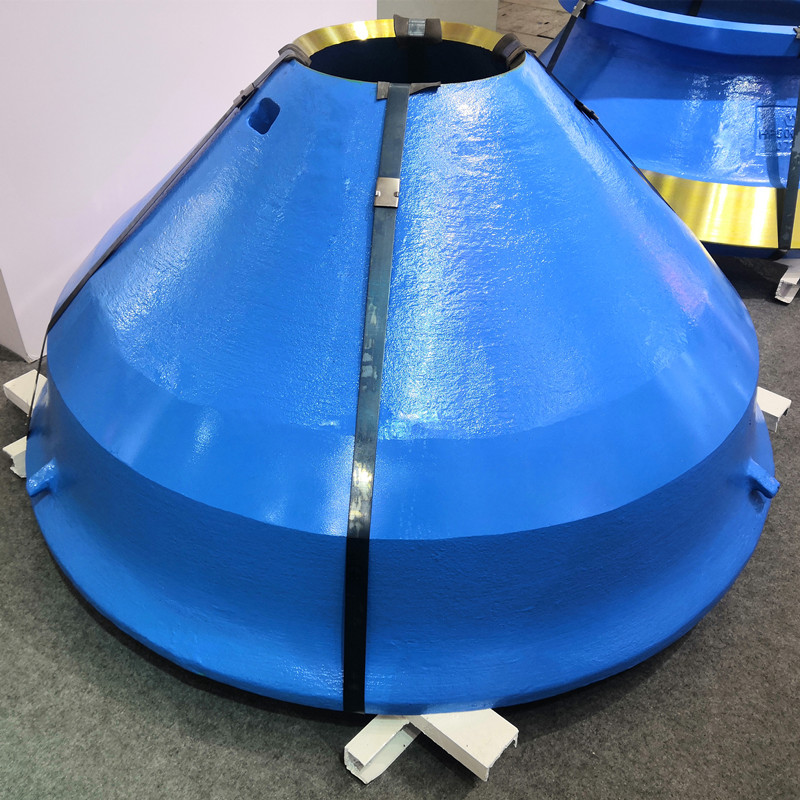
In recent years, the global heavy machinery sector has witnessed significant advancements, driven largely by improvements in wear-resistant materials used in critical components such as sag mill parts. These developments are fostering stronger export growth, highlighting the vital role of materials science in enhancing industrial equipment performance and lifespan.
A leading player in this domain is a renowned manufacturer specializing in the provision of high-quality wearing solutions for heavy machinery. With an extensive product range encompassing standard manganese steel (Mn Steel), high-chromium iron (Hi-Cr Iron), alloy steel, and carbon steel, the company has built a solid reputation for delivering durable components designed to withstand the most demanding industrial environments.
**Tailored Wearing Solutions for Enhanced Durability**
The company stands out by not only offering traditional high-performance materials but also by developing customized wearing solutions that significantly extend the operational life of machinery components. Utilizing advanced materials such as titanium carbide (TiC), ceramic inserts, and chromium (Cr) embedded alloys, the manufacturer addresses specific customer requirements with precision-engineered products optimized for longevity and reliability.
These innovations provide substantial advantages in industries such as mining, cement production, and mineral processing, where sag mills and other grinding equipment are subject to intense wear and tear. By improving resistance to abrasion, corrosion, and impact, these materials help reduce downtime, maintenance costs, and overall operational risk.
**Importance of Material Selection in Sag Mill Components**
Sag mills play a crucial role in grinding operations by pulverizing raw materials for further processing. The parts constituting these mills, including liners and grinding media, experience severe abrasion and mechanical stress. Selecting the right material for these components is paramount to maintaining efficient operation and avoiding premature failure.
Standard manganese steel has long been favored for its toughness and work-hardening properties, making it suitable for many heavy-duty applications. However, in extremely abrasive or corrosive environments, alternative materials such as high-chromium iron and alloy steels offer better wear resistance and chemical stability.
The integration of TiC and ceramic inserts represents a cutting-edge approach to enhancing wear resistance. Titanium carbide, known for its exceptional hardness, imparts superior abrasion resistance when embedded in alloys. Similarly, ceramic components provide excellent hardness and corrosion resistance, further prolonging equipment life.
**Export Performance Reflects Growing Global Demand**
The manufacturer’s commitment to quality and innovation has translated into robust export performance, meeting the rising international demand for reliable heavy machinery parts. Clients worldwide benefit from the tailored approach to wearing solutions, enabling adaptation to diverse operational contexts and regional challenges.
Exports cover a broad range of markets across Asia, Europe, North America, and beyond, where mining and industrial sectors continue to invest in equipment modernization. The ability to supply customized wear-resistant parts ensures competitive advantage and strengthens global supply chains in these industries.
**Sustainability and Economic Impact**
Beyond operational benefits, the application of advanced wearing materials contributes positively to sustainability initiatives within heavy industry. Prolonged equipment lifespan means less frequent part replacement and reduced resource consumption, aligning with broader goals of environmental responsibility.
Furthermore, the growth in exports bolsters economic activity, creating employment opportunities and encouraging technological development within the manufacturing sector. By maintaining a strategic focus on material science and engineering excellence, the company supports both client success and regional industrial advancement.
**Looking Ahead: Innovation and Collaboration**
The future of wear-resistant materials in heavy machinery is poised for continued evolution, driven by ongoing research and collaboration between material scientists, engineers, and end-users. Emerging technologies such as additive manufacturing and nanocomposite materials offer exciting possibilities for further enhancing component performance.
Manufacturers committed to innovation will remain at the forefront by investing in R&D and fostering partnerships that integrate field experience with laboratory advancements. This holistic approach ensures that machinery components not only meet but exceed the increasing demands of modern industry.
**Conclusion**
The heavy machinery sector depends critically on the quality and durability of its components, especially those exposed to harsh wear conditions such as sag mill parts. The integration of advanced materials like manganese steel, high-chromium iron, and tailored alloy composites featuring TiC and ceramic inserts is driving significant improvements in equipment lifespan and operational efficiency.
As global demand grows, exporters offering customized, high-performance wear-resistant solutions are playing a pivotal role in supporting sustainable industrial development worldwide. Through innovation and a customer-centric approach, manufacturers are setting new standards for durability and reliability in heavy machinery parts — a trend that promises to continue shaping the future of industrial manufacturing.